What is Collective Impact
Collective impact is when community members, organisations, and institutions work together towards a shared goal. They learn from each other, coordinate their efforts, and combine their strengths to create lasting change for people and the systems that affect their lives.
Collective impact brings people together in a structured way to achieve social change.
What Makes Collective
Impact Work
Common Agenda
One shared vision and set of goals.
Shared Measurement
One system to track progress together.
Reinforcing Activities
Diverse strengths, one coordinated plan.
Continuous Communication
Regular dialogue that builds trust.
Backbone Support
Dedicated team to coordinate it all.

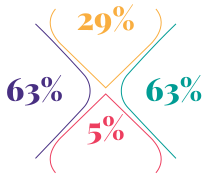
How We Know
It's Working.
Alignment with Shared Goals
Every partner rowing toward the same outcomes.
Progress & Impact Measurement
Consistent metrics that show what's working.
Adaptation & Learning
Insight fed back into the next cycle.
Where CollaborationBecomes Change
We don't work in silos. Oporajita is built on the conviction that no single organisation can solve systemic challenges alone. Our collective model pools expertise, data, and resources to create impact greater than the sum of its parts.
Shared Goals, Shared Resources
All partners align around common objectives, eliminating duplication and maximising reach.
Evidence-Based Strategy
Every decision is grounded in data — collected, verified, and shared transparently across the collective.
Community-Led Solutions
We co-design with the communities we serve, ensuring solutions fit real lives and local contexts.
Continuous Learning
We treat every programme as a learning opportunity, refining approaches as evidence evolves.

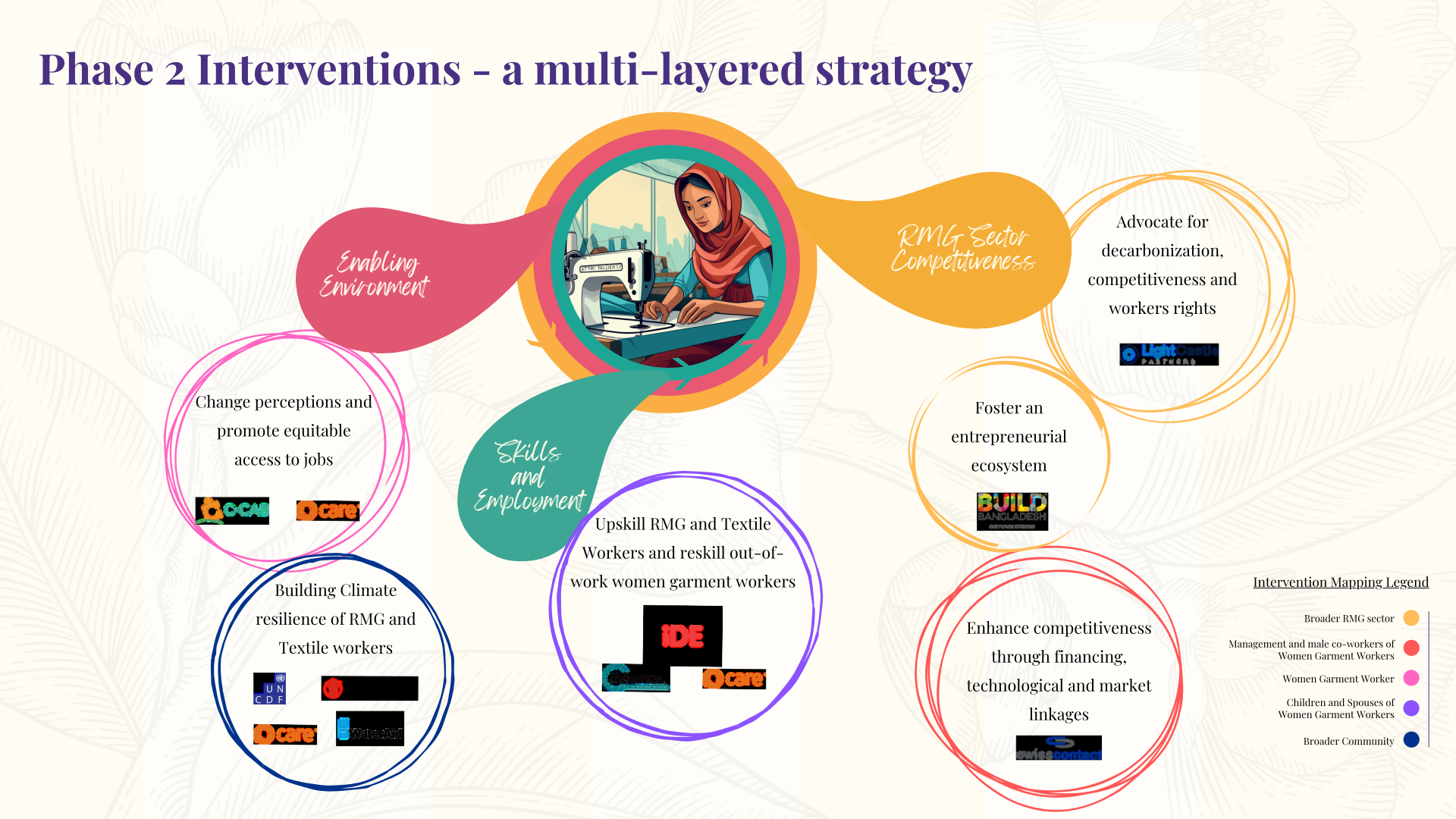
Our Intervention Areas
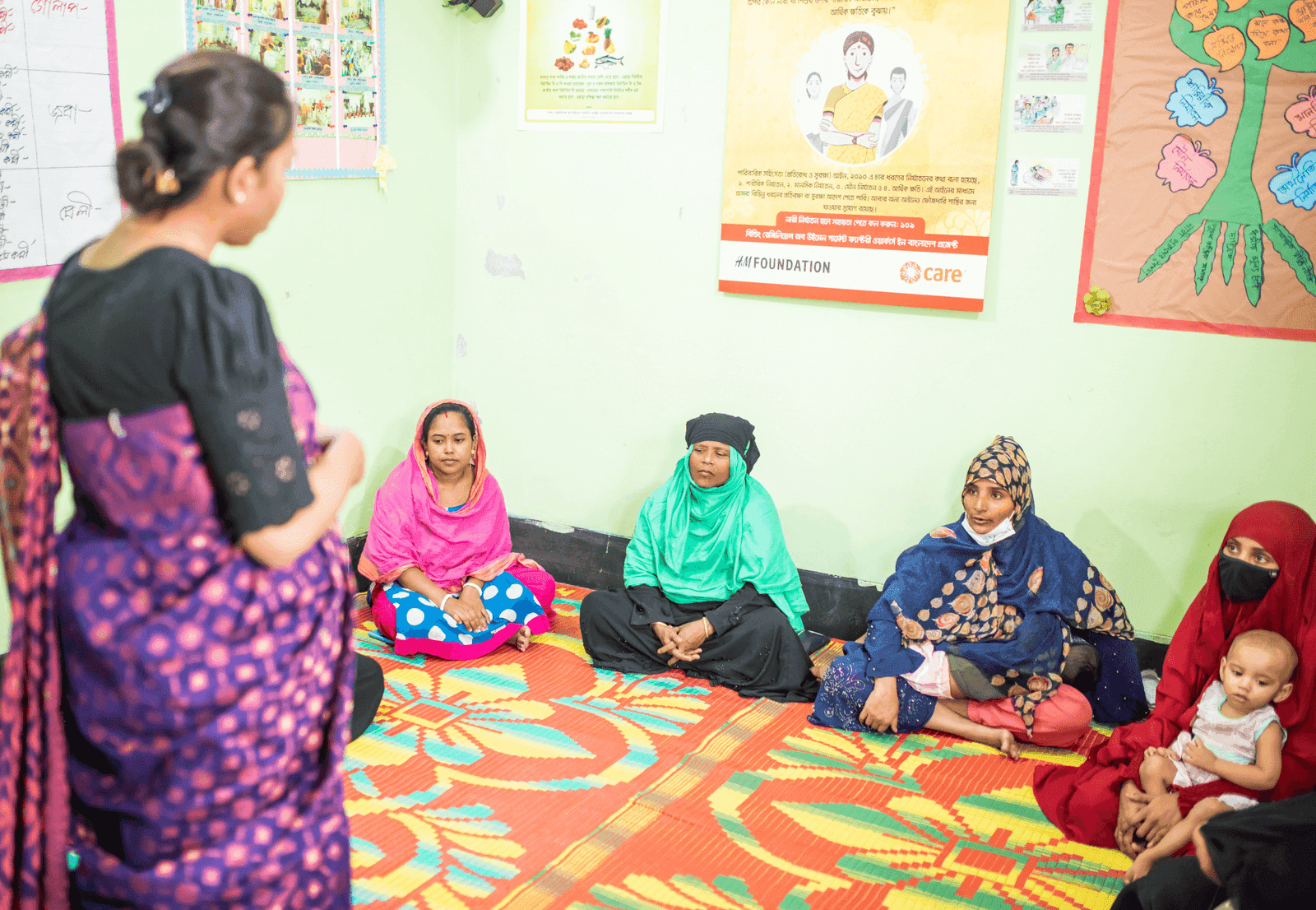 01
01Skills & Employment
Future-ready skills and pathways to dignified work.
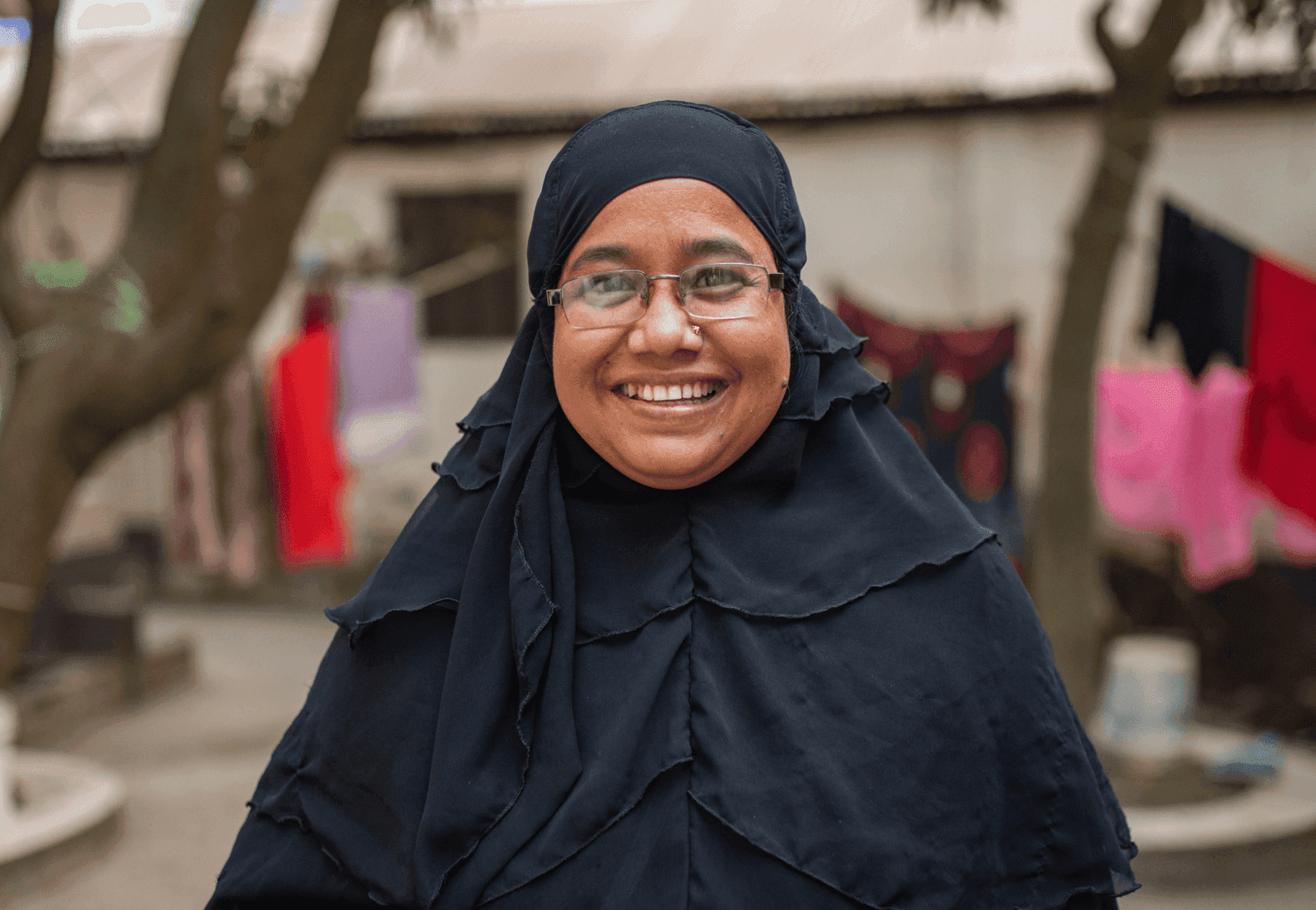 02
02Enabling Environment
Policy and community conditions where women thrive.
 03
03RMG Competitiveness
A sector resilient to automation and new competition.
Shared Outcomes
Secure, Dignified Lives
- Health, WASH & social security
- Childcare & STEM for their kids
- Safe, supportive workplaces
Economic Opportunity
- Career growth in the RMG sector
- Micro-entrepreneurship pathways
Agency
- Skills training for career mobility
- Credit, training & market linkages
Resilience & Sustainability
- Financial resilience via digital finance
- A future-ready, circular-economy sector
Strategies for
Collective Success
Coordination
Effective coordination on synergies, accountability among partners, and joint data-driven decision making.
Adaptability
Flexibility to adapt to a changing environment — designing and adjusting strategies to ensure program continuity.
Advocacy
Regular sharing of data and learnings, intentionally influencing key system actors and the policy environment.
The Challenges
We Confront.
Millions of women power Bangladesh's garment sector — yet automation and structural inequities threaten their livelihoods. These are the realities we exist to change.
Falling Competitiveness
Rival hubs offer shorter lead times.
Automation Pressure
Productivity up, jobs at risk.
60% Jobs at Risk
By 2041 — women most vulnerable.
Weak Policy Support
Few schemes or safety nets.
Bias & Harassment
At home, work, and in the community.
Unpaid Care Burden
Heavy, unequal, unsupported.
Children at Risk
Poor health and learning gaps.
Poor WASH & Services
Water, healthcare, housing gaps.
Our Geographical Impact
Filter by district, implementing partner, and area of impact to explore where the collective is active across Bangladesh.
Currently Viewing
Ashulia, Savar